

October 14, 2026 – The Economic Trust of the Southern Interior (ETSI-BC) ) was featured today in BC Business Magazine, alongside our fellow regional trusts, Northern Development Initiative Trust (NDIT) and Island Coastal Economic Trust (ICET).
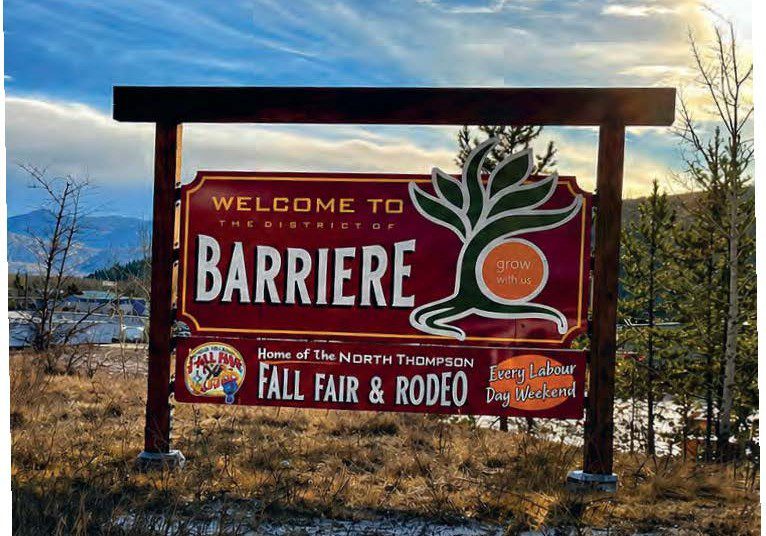
Nestled in the scenic North Thompson Valley where the Cariboo and Monashee Mountain ranges converge, the community of Barriere has undergone much change in the last two decades. Once a thriving forestry town, the McLure fire in 2003 resulted in the loss of the Tolko sawmill, Barriere’s major employer, and the community had to adjust to a new economic reality. While forestry remains an important part of the local economy, agriculture and tourism have become increasingly important and diverse new businesses are opening their doors in the community.
In 2024, the Barriere & Area Chamber of Commerce (BCOC) launched the first phase of a Wayfinding Strategy on behalf of the District of Barriere. Effective wayfinding combines physical cues such as signs, landmarks, street patterns, and decision points to highlight key destinations while reinforcing a community’s brand.
Created with support from the Economic Trust of the Southern Interior, the strategy focuses on branding and signage in downtown Barriere, local parks, and along trails, historical/cultural sites, community facilities, and the Highway 5 commercial corridor. The visible changes taking place are part of the overall strategy to ensure business resilience, tourism readiness, and economic growth in the region.
Lianne Hamblin, Office Manager at the BCOC has led the strategy’s development and spoke with ETSI-BC about the project.
ETSI-BC: What was the motivation for this project?
Lianne: We realized as a community that we needed more consistent signage in public spaces to provide clear direction to tourists, people with disabilities, and non-English speakers. The plan includes design guidelines for accessibility and prioritizes high-traffic and underutilized areas.
ETSI-BC has supported us in the past on two major projects: the Destination Barriere: Live, Work Play marketing project, and with Forest Impact Recovery funding for the District of Barriere. The Wayfinding Strategy is an initiative that continues to support the local business community.
What did the project consist of?
The funding enabled us to hire True Consulting, a regionally-based company that provides engineering, land surveying, and other services, to develop the strategy.
The first step was to create awareness of the project and get the community involved. In early 2026, the consultant conducted a survey to gather public input on proposed signage designs and branding concepts with more than seven out of ten respondents noting the importance of improved wayfinding to the community.
The draft Wayfinding Strategy was approved by the District of Barriere Council in May, 2026. Final input from the Simpcw First Nation on the draft strategy will serve to complete the project.
How important is stakeholder collaboration to the project?
The project is a strategic collaboration between the BCOC, the District of Barriere, Simpcw First Nation, Lower North Thompson Tourism, and facilitated by TRUE Consulting. The Simpcw First Nation plays a key role; Barriere is located within their traditional territory, and a wayfinding system provides the opportunity to honor and celebrate this heritage. Simpcw’s input also ensures that Indigenous perspectives, language, and culture are meaningfully reflected in the final strategy.
How will you measure the success of this first phase of the project?
New investment in the community will be measured by tracking public spending on infrastructure and tourism in areas with new signage. The impact on public space usage can be measured through surveys. We will also monitor new business openings and expansions in Barriere along with employment rates and business retention numbers.
What’s Next?
While no new capital investments have been secured to-date, the project, once implemented, is expected to support future economic growth by enhancing community visibility, strengthening tourism readiness, and creating opportunities for increased visitor spending and business activity. We look forward to realizing the full benefits of the project as the strategy is fully implemented over the next few years.