
October 14, 2026 – The Economic Trust of the Southern Interior (ETSI-BC) ) was featured today in BC Business Magazine, alongside our fellow regional trusts, Northern Development Initiative Trust (NDIT) and Island Coastal Economic Trust (ICET).

Action Plans to Foster Investment in Key Sectors in Grand Forks
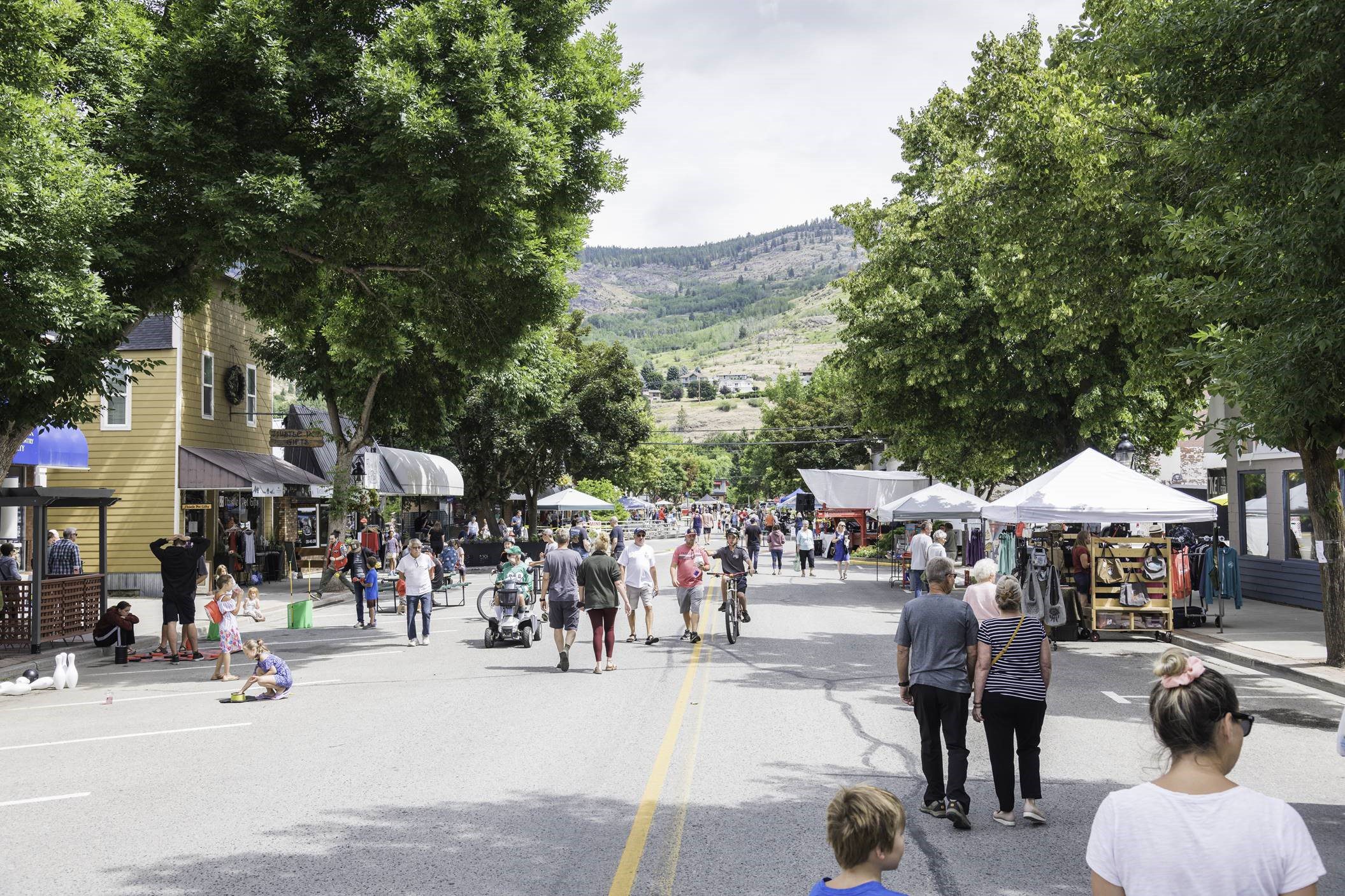
When it comes to growing the local economy, the small community of Grand Forks is on a roll. Building on the momentum of its Invest Grand Forks program and an investment readiness assessment, Community Futures Boundary created the Grand Forks Sector Development Project. As a result, Grand Forks and Electoral Area D have action plans and new tools for three key sectors: Agriculture, Hospitality, and Health and Wellness.
An Investment Readiness Assessment indicated that Grand Forks was not yet investment-ready. The assessment suggested a new approach to investment attraction using Sector Development Action Plans (SDAPs). SDAPs provide a set of tactics and actions to help grow a sector, based on in-depth community engagement. They identify gaps and areas of need, and a framework to be followed over time.
This project helped create those action plans and profiles for each sector, along with a social media promotion strategy. In addition to these materials, Community Futures Boundary funded the development of videos that bring the excitement and opportunities associated with each sector to life on the InvestGrandForks website.
The project was funded by the Economic Trust of the Southern Interior (ETSI-BC) through its Building Economic Development Capacity funding stream. Lochaven Consulting was contracted based on its strong background in planning, and familiarity with the community. As the plans are implemented, new investment is expected for the community.
Addressing the Unique Opportunities of Each Sector
Agriculture, Hospitality, and Health and Wellness were identified as primary focus areas, based on their potential for economic growth and job creation impacts. Sandy Elzinga, Manager of Community Economic Development, worked closely with the consultant, completing interviews and surveys with 74 businesses and several business service providers from all three sectors.
Agriculture was a priority for its prominence in the community. The sector has multiple players including value-added agriculture, food processing, food production, agri-tourism, commercial and hobby farming, and food co-ops.
The area’s Hospitality sector reflects much of what characterizes Grand Forks’ downtown, from retailers, accommodations and food services to businesses and services tied to the area’s exceptional outdoor recreation.
The Health and Wellness sector is also diverse, with hospitals, clinics and complimentary health care services such as massage, to fitness centres, health food stores and more.
The action plan for each sector provides specific recommendations under four areas: Developing Capacities of Business Owners, Workforce Development, Inclusion of Key Sectors in Planning, and External Promotions.
Elzinga says the collaboration and partnerships that evolved through the project will inform better decision-making in the region. In addition, the project has strengthened the networks in each sector, workforce attraction opportunities have been identified, and now Grand Forks has a stronger image and brand as a place to invest.
“Within the next year we will be prioritizing the actionable items, and who will carry them out based on capacity and resources available in the community. Ultimately, we will pursue action plans for other sectors such as forestry and more targeted areas within the hospitality sector,” says Elzinga.
“ETSI-BC provided us the kind of support we really needed,” she adds. “The one-on-one contact and guidance available through the Trust are what make it stand out from other funders. ETSI-BC has worked hard at building a program that works for communities and organizations.”
More News & Stories
ETSI-BC Fall Funding Intake Draws Impressive Regional Interest
October 8, 2026 – The Economic Trust of the Southern Interior (ETSI-BC) received an impressive response to its 2026 Fall Funding Intake from communities and organizations across the region. The intake closed on October 8, 2026, with 43 applications requesting nearly $1.9 million in funding for projects with a combined project value of over $3.8 million.
Township of Spallumcheen Digs Deep in Planning New Agriculture Business Hub
Since 2021, the Township of Spallumcheen has been exploring the development of a regional Agri-Hub to strengthen local food distribution and support agricultural growth. With support from ETSI-BC, the Township is developing a phased business plan to help build a resilient and profitable agricultural sector for the future.
New Tourism Strategy Transforms Grand Forks from a Highway Stop to a Destination
The Southern Interior community of Grand Forks has completed a major rebuild and relaunch of its original tourism strategy, shifting the community from being a quick stopping point on Highway 3 to a tourism destination. With support from the Economic Trust of the Southern Interior (ETSI-BC), the strategy served to develop new tourism assets attracting more visitors and generating increased revenue for local businesses.
Sicamous Tourism Strategy Builds a Path for Sustainable Growth
From houseboating to sledding, hiking, biking, and birding, Sicamous is the tourism hub of the Shuswap region. While summer visitors fill Sicamous with activity, off-season visitations drop sharply, prompting the community to pursue a more diversified and sustainable year-round tourism future. The Economic Trust of the Southern Interior (ETSI-BC) supported the District of Sicamous Development Corporation in revitalizing the community’s tourism sector with a dynamic, five-year tourism strategy to 2030.
Forestry Strategy Positions ?aq’am First Nation for New Opportunities
Increased timber harvest allocations for BC’s First Nations are opening the door to new business opportunities for enterprising First Nations communities such as ?aq’am in the East Kootenays. With funding support from the Economic Trust of the Southern Interior (ETSI-BC), ?aq’am developed a forestry business scan, a strategy to build capacity for projects made possible by the expanded forest tenure. The scan is guiding ?aq’am to increase its role in forestry as it pursues a resilient and sustainable future.
ETSI-BC Welcomes Krista Mallory as Regional Project and Strategic Initiatives Manager
July 29, 2026 – The Economic Trust of the Southern Interior (ETSI-BC)) is pleased to announce that Krista Mallory will be joining the organization as its new Regional Project and Strategic Initiatives Manager effective October 1, 2026.
Wayfinding in Barriere for Economic Resilience and Growth
When a major fire destroyed the Tolko sawmill in the North Thompson region near Barriere in 2003, residents and stakeholders rallied to rebuild and redefine the community’s economic future. As the community has evolved, so have the systems that help residents and visitors navigate in and around Barriere, including a multi-phase Wayfinding Strategy launched in 2024. The project, supported by the Economic Trust of the Southern Interior (ETSI-BC) is aimed at boosting visitor traffic and attracting more business investment, ensuring a strong and resilient future.
Five-Year Plan Strengthens ?aq’am Community Enterprises
?aq’am Community Enterprises (ACE) is the economic development arm of the ?aq’am First Nation, the largest member of Ktunaxa Nation. Known for its progressive business development goals, ACE undertook a comprehensive review of its strategic priorities. The result is a dynamic new five-year strategic plan that will guide more efficient, tactical, and resilient delivery of ACE’s programs and services. The project was supported by the Economic Trust of the Southern Interior (ETSI-BC).
Thompson-Okanagan Launches New Economic Development Practitioners Network
After a year of work connecting economic development practitioners across the Thompson-Okanagan, the region’s first Economic Development Practitioners Network (EDPN) is now in place. Modelled after the Kootenay Boundary EDPN created in 2014, the Thompson Okanagan EDPN includes community and municipal and First Nations economic development practitioners, Chambers of Commerce, Community Futures and other stakeholders. The group came together for the first time on April 8, 2026, where they learned, shared ideas and information, and further planned future activities. The Economic Trust of the Southern Interior (ETSI-BC) is committed to supporting both the Kootenay Boundary and Thompson-Okanagan networks of economic development practitioners.