
A new 200-acre business park is taking shape in the District of Lake Country. The development will create space for new types of businesses, attract investment, support local jobs, and provide housing options close to where people work. With support from the Economic Trust of the Southern Interior (ETSI-BC), the project is helping one of BC’s fastest-growing communities prepare for the future.

Armstrong’s Big Cheese Festival Gets Better with Age (and additional training)
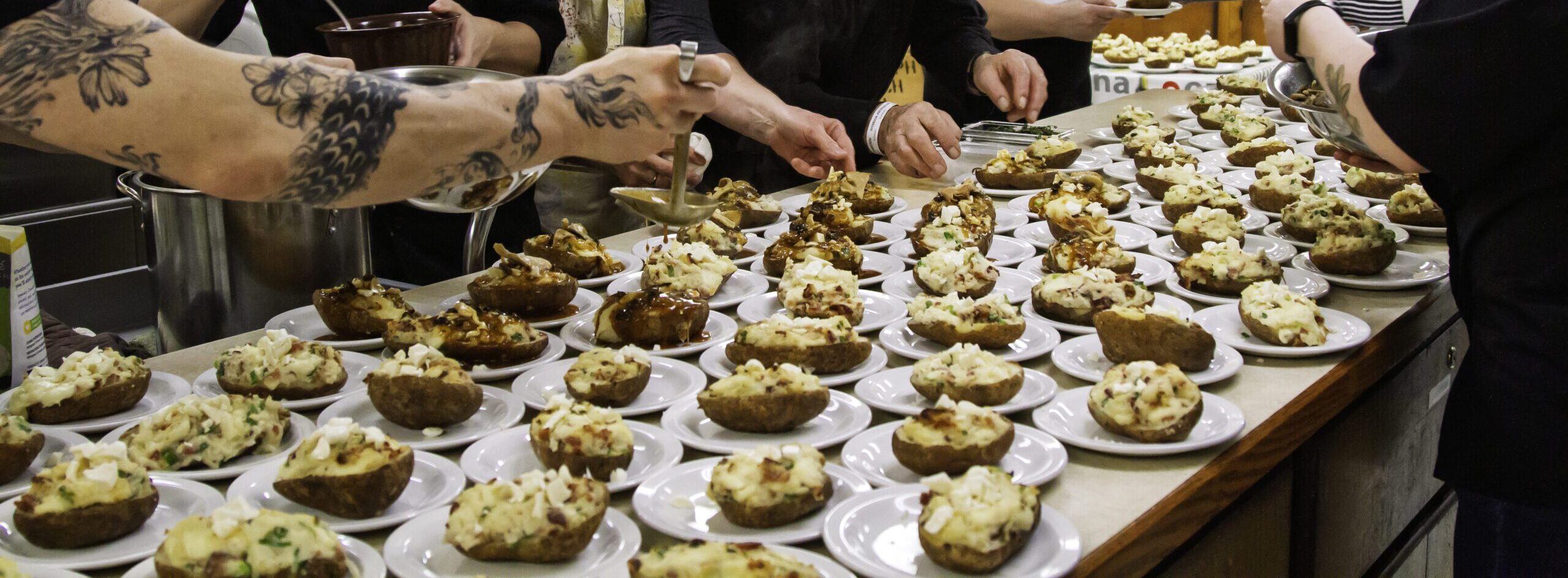
(Photo credit Summer Broyden)
It’s all about cheese at the annual Big Cheese Festival in Armstrong, a two-day event for dairy and agriculture producers to showcase and sell their products while celebrating the community’s cheese-making history and agricultural heritage.
“Farming Comes First” claims the Armstrong Spallumcheen Chamber of Commerce (ASCC) on its website, highlighting the importance of agriculture to the North Okanagan economy. In 2025, the Big Cheese Festival, which is championed by the ASCC, reached a new level of success with the addition of business workshops and skills training to the agenda.
The Economic Trust of the Southern Interior (ETSI-BC) first supported the Festival in 2021 to help showcase the area’s food, beverage and other agriculture producers to local businesses and consumers. In 2025, the Trust provided additional support that enabled specialized training and workshops to be added to this year’s festival agenda.
ETSI-BC spoke with Patti Noonan, Executive Director at the ASCC and Visitor Information Centre about how the Big Cheese Festival is helping to build a stronger agricultural economy in the region.
What inspired the addition of educational programming to the Festival?
Patti: In 2023, the Chamber received support from the provincial Rural Economic Diversification and Infrastructure Program (REDIP) to develop a producer’s network. A year later, we were ready to expand the opportunities identified through the project to help producers reach broader markets. The recent funding from ETSI-BC supported a continuation of this work, providing new opportunities for learning, networking, marketing and collaboration.
What distinguishes this project from other agri-business events?
The Big Cheese started out with a focus on dairy and cheese, and we thought it would be a one-time event. But our economy is so tied to agriculture of all types that the Festival has become a go-to place for information and connections beyond the cheese industry. The opportunities that are realized by the region’s agriculture sector often start through a conversation at the festival and those contacts contribute to region-wide economic growth.
How did you determine the kind of workshops to offer?
We collaborated with partners such as the Small-Scale Meat Producers Association, Organic BC and others to tailor the sessions to the specific needs of our agricultural community. Forproducers who were not yet processing and/or marketing their products, we provided sessions on market expansion, investing in new technologies, and resources for creating more efficient and productive businesses. Marketing workshops helped participants learn what it takes to make a great website, and trends to watch for such as AI. Other sessions addressed inclusion and equity, tips and strategies to attract and retain seasonal employees, and funding resources for agriculture infrastructure and development.
In addition to the educational sessions, a new page was created on the ASCC website to increase the profile of regional producers.
How do you measure the success of the project?
Since the 2025 festival to date, approximately $115,000 has been invested in the Armstrong/Spallumcheen community by local businesses that produce local products or use local products to create their own.
For example, the 27 Supper Club opened a storefront in Armstrong and started producing meals and grab and go products. The Village Dairy invested in a new ageing storage unit and cold storage unit for their cheese. Fresh Valley Farms invested in a new mobile, solar-powered chicken coop that allows fresh pasture grazing, promotes better soil health and reduces the need for manual labor. There are many other examples of businesses reevaluating their business models, embracing new technologies and employing new marketing strategies.
Of the 50 vendors that participated in the event, approximately half were local producers or local supporters of the agriculture industry such as restaurants and grocery stores. Twenty-five vendors reported sales between $2,500 and $4,000 each, injecting a minimum of $62,500 into the local economy. But we know that the impact was much higher as all local businesses reported increased product sales during the event.
In addition, our partnerships with Small-Scale Meat Producers Association, Organic BC and other agriculture organizations have been greatly strengthened by this collaboration.
The best indicator of success may be the feedback we received from participants at the event. “You did such a good job supporting local,” summarized one post-event survey respondent. “Keep up the good work, can’t wait until 2026!”
More News & Stories
How One Region Overcame the Tourism Impacts of a 5-Month Ferry Strike
When the Central Kootenay communities of Balfour and the East Shore of Kootenay Lake were hit with a lengthy ferry strike in late 2024, economic development and tourism partners worked closely with businesses on both sides of Kootenay Lake to address the impacts of a significant loss of visitors to the area. With support from the Economic Trust of the Southern Interior, (ETSI-BC), the area’s Destination Marketing Organization, Nelson Kootenay Lake Tourism (NKLT), quickly launched the “No Better Time, No Better Place” marketing campaign as soon as the strike ended, encouraging visitors to return to the communities most affected.
ETSI-BC in the Spotlight
October 14, 2026 – The Economic Trust of the Southern Interior (ETSI-BC) ) was featured today in BC Business Magazine, alongside our fellow regional trusts, Northern Development Initiative Trust (NDIT) and Island Coastal Economic Trust (ICET).
ETSI-BC Fall Funding Intake Draws Impressive Regional Interest
October 8, 2026 – The Economic Trust of the Southern Interior (ETSI-BC) received an impressive response to its 2026 Fall Funding Intake from communities and organizations across the region. The intake closed on October 8, 2026, with 43 applications requesting nearly $1.9 million in funding for projects with a combined project value of over $3.8 million.
Township of Spallumcheen Digs Deep in Planning New Agriculture Business Hub
Since 2021, the Township of Spallumcheen has been exploring the development of a regional Agri-Hub to strengthen local food distribution and support agricultural growth. With support from ETSI-BC, the Township is developing a phased business plan to help build a resilient and profitable agricultural sector for the future.
New Tourism Strategy Transforms Grand Forks from a Highway Stop to a Destination
The Southern Interior community of Grand Forks has completed a major rebuild and relaunch of its original tourism strategy, shifting the community from being a quick stopping point on Highway 3 to a tourism destination. With support from the Economic Trust of the Southern Interior (ETSI-BC), the strategy served to develop new tourism assets attracting more visitors and generating increased revenue for local businesses.
Sicamous Tourism Strategy Builds a Path for Sustainable Growth
From houseboating to sledding, hiking, biking, and birding, Sicamous is the tourism hub of the Shuswap region. While summer visitors fill Sicamous with activity, off-season visitations drop sharply, prompting the community to pursue a more diversified and sustainable year-round tourism future. The Economic Trust of the Southern Interior (ETSI-BC) supported the District of Sicamous Development Corporation in revitalizing the community’s tourism sector with a dynamic, five-year tourism strategy to 2030.
Forestry Strategy Positions ?aq’am First Nation for New Opportunities
Increased timber harvest allocations for BC’s First Nations are opening the door to new business opportunities for enterprising First Nations communities such as ?aq’am in the East Kootenays. With funding support from the Economic Trust of the Southern Interior (ETSI-BC), ?aq’am developed a forestry business scan, a strategy to build capacity for projects made possible by the expanded forest tenure. The scan is guiding ?aq’am to increase its role in forestry as it pursues a resilient and sustainable future.
ETSI-BC Welcomes Krista Mallory as Regional Project and Strategic Initiatives Manager
July 29, 2026 – The Economic Trust of the Southern Interior (ETSI-BC)) is pleased to announce that Krista Mallory will be joining the organization as its new Regional Project and Strategic Initiatives Manager effective October 1, 2026.
Wayfinding in Barriere for Economic Resilience and Growth
When a major fire destroyed the Tolko sawmill in the North Thompson region near Barriere in 2003, residents and stakeholders rallied to rebuild and redefine the community’s economic future. As the community has evolved, so have the systems that help residents and visitors navigate in and around Barriere, including a multi-phase Wayfinding Strategy launched in 2024. The project, supported by the Economic Trust of the Southern Interior (ETSI-BC) is aimed at boosting visitor traffic and attracting more business investment, ensuring a strong and resilient future.