
October 14, 2026 – The Economic Trust of the Southern Interior (ETSI-BC) ) was featured today in BC Business Magazine, alongside our fellow regional trusts, Northern Development Initiative Trust (NDIT) and Island Coastal Economic Trust (ICET).

Creston Valley Tourism Plans for Growth
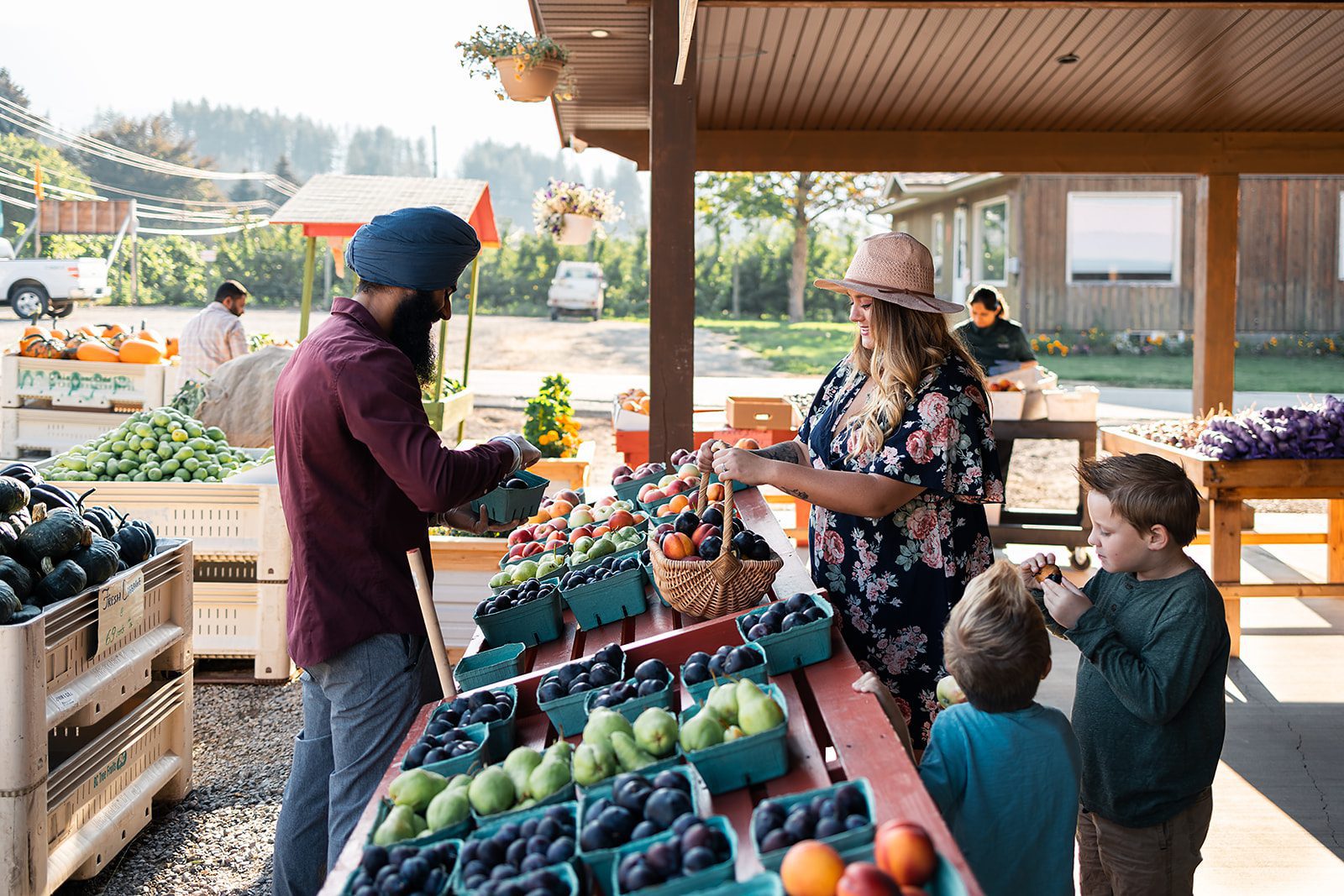
Tourism is flourishing in the Creston Valley, and the face of tourism is changing significantly. The Creston Valley Tourism Society’s (CVTS) new five-year strategic plan is positioned to respond and take advantage of new opportunities.
The first five-year strategy for the Creston Valley Tourism Society (CVTS) was created when the organization was established in 2019. “It was a good baseline plan but quickly went out the window when the pandemic took hold,” says Jesse Willicome, Executive Director of the CVTS. “After that we experienced wildfires, devastating frosts and the impacts of inflation, which reduced travel to the area. We couldn’t implement our initial marketing and strategic initiatives.”
A new five-year plan was required as part of the CVTS’ application to the BC Ministry of Finance to renew its funding from the Municipal and Regional District Tax (MRDT) in 2025. As a Destination Management Organization (DMO), the CVTS receives the MRDT tax that is collected from accommodations to market new tourism facilities and programs.
The strategic plan was supported by the Economic Trust of the Southern Interior (ETSI-BC) through its Building Economic Development Capacity funding stream. “Although DMOs receive significant MRDT funding, the items that funding can be used towards is very well-defined,” says Laurel Douglas, CEO of ETSI-BC. “ETSI-BC was pleased to help fill this gap to enable the CVTS to realize its full potential as a sustainable, progressive tourism destination by funding the development of its new strategic plan.”
Attracting a Wider Demographic
In the five years between the two plans, the Creston area has benefitted from an improved tourism environment. It has gained popularity among the over-55 demographic who have flexible schedules, and among young families seeking affordable and relaxing summer vacations. Surrounded by mountains, forests, rivers, wetlands and lakes, the town attracts hikers, golfers, anglers and other outdoor enthusiasts, including international visitors who come to experience Creston’s wildlife corridor, a major stop-over and breeding ground for migratory birds. The area also has a vibrant arts and culture community, growing agri-tourism offerings and an emerging food and wine sector.
Centrally located in the Kootenays, Creston is highly accessible to target markets in Alberta, the Okanagan and Lower Mainland, as well as Idaho, Montana and Washington. As tourism traffic has increased, new businesses have opened, and others have expanded to meet growing visitor demand.
The ETSI-BC funding supported the hiring of a consultant who coordinated an extensive outreach to community members, local accommodators and other industry stakeholders to gain data and insights to inform the new plan.
Consultation with the Yaqan Nukiy First Nation (formerly known as the Lower Kootenay Band, part of the Ktunaxa Nation) was key to the planning process. This engagement work helped strengthen collaboration with the Yaqan Nukiy and identify opportunities to grow Indigenous tourism. Many participants in the overall research were women business operators who represent a significant portion of the Creston Valley’s tourism and hospitality sector.
Creating New Experiences and Amenities
The strategic planning process has amplified the Creston Valley brand and increased consumer awareness of Creston as an attractive tourism destination. Strategic partnerships with the Creston Visitor Centre, Kootenay Rockies Tourism, and Destination BC are helping to expand the audience reach for CVTS and encourage longer stays and shoulder season visits. Over the next five years, visitor awareness of the Creston area is expected to increase by 10% annually.
Strategies are underway to realize untapped opportunities in agri-tourism, Indigenous tourism, and outdoor recreation. Access to outdoor spaces for both residents and visitors is improved, and tourism training is being offered to local businesses and their staff to enhance tourism service excellence.
The plan projects an increase in tourism-related spending of approximately $1.5 million to $2 million over five years. While no new businesses were directly launched during the project, there is potential for five to 10 niche businesses to be created such as farm-to-table events, eco-tours and boutique accommodations.
Collaboration Key to Success
“This project demonstrates the importance of collaboration among our diverse tourism stakeholders to achieve our goals,” says Willicome. “We have a strong foundation on which to build a thriving and sustainable tourism sector that enriches the lives of residents and visitors alike.”
More News & Stories
ETSI-BC Fall Funding Intake Draws Impressive Regional Interest
October 8, 2026 – The Economic Trust of the Southern Interior (ETSI-BC) received an impressive response to its 2026 Fall Funding Intake from communities and organizations across the region. The intake closed on October 8, 2026, with 43 applications requesting nearly $1.9 million in funding for projects with a combined project value of over $3.8 million.
Township of Spallumcheen Digs Deep in Planning New Agriculture Business Hub
Since 2021, the Township of Spallumcheen has been exploring the development of a regional Agri-Hub to strengthen local food distribution and support agricultural growth. With support from ETSI-BC, the Township is developing a phased business plan to help build a resilient and profitable agricultural sector for the future.
New Tourism Strategy Transforms Grand Forks from a Highway Stop to a Destination
The Southern Interior community of Grand Forks has completed a major rebuild and relaunch of its original tourism strategy, shifting the community from being a quick stopping point on Highway 3 to a tourism destination. With support from the Economic Trust of the Southern Interior (ETSI-BC), the strategy served to develop new tourism assets attracting more visitors and generating increased revenue for local businesses.
Sicamous Tourism Strategy Builds a Path for Sustainable Growth
From houseboating to sledding, hiking, biking, and birding, Sicamous is the tourism hub of the Shuswap region. While summer visitors fill Sicamous with activity, off-season visitations drop sharply, prompting the community to pursue a more diversified and sustainable year-round tourism future. The Economic Trust of the Southern Interior (ETSI-BC) supported the District of Sicamous Development Corporation in revitalizing the community’s tourism sector with a dynamic, five-year tourism strategy to 2030.
Forestry Strategy Positions ?aq’am First Nation for New Opportunities
Increased timber harvest allocations for BC’s First Nations are opening the door to new business opportunities for enterprising First Nations communities such as ?aq’am in the East Kootenays. With funding support from the Economic Trust of the Southern Interior (ETSI-BC), ?aq’am developed a forestry business scan, a strategy to build capacity for projects made possible by the expanded forest tenure. The scan is guiding ?aq’am to increase its role in forestry as it pursues a resilient and sustainable future.
ETSI-BC Welcomes Krista Mallory as Regional Project and Strategic Initiatives Manager
July 29, 2026 – The Economic Trust of the Southern Interior (ETSI-BC)) is pleased to announce that Krista Mallory will be joining the organization as its new Regional Project and Strategic Initiatives Manager effective October 1, 2026.
Wayfinding in Barriere for Economic Resilience and Growth
When a major fire destroyed the Tolko sawmill in the North Thompson region near Barriere in 2003, residents and stakeholders rallied to rebuild and redefine the community’s economic future. As the community has evolved, so have the systems that help residents and visitors navigate in and around Barriere, including a multi-phase Wayfinding Strategy launched in 2024. The project, supported by the Economic Trust of the Southern Interior (ETSI-BC) is aimed at boosting visitor traffic and attracting more business investment, ensuring a strong and resilient future.
Five-Year Plan Strengthens ?aq’am Community Enterprises
?aq’am Community Enterprises (ACE) is the economic development arm of the ?aq’am First Nation, the largest member of Ktunaxa Nation. Known for its progressive business development goals, ACE undertook a comprehensive review of its strategic priorities. The result is a dynamic new five-year strategic plan that will guide more efficient, tactical, and resilient delivery of ACE’s programs and services. The project was supported by the Economic Trust of the Southern Interior (ETSI-BC).
Thompson-Okanagan Launches New Economic Development Practitioners Network
After a year of work connecting economic development practitioners across the Thompson-Okanagan, the region’s first Economic Development Practitioners Network (EDPN) is now in place. Modelled after the Kootenay Boundary EDPN created in 2014, the Thompson Okanagan EDPN includes community and municipal and First Nations economic development practitioners, Chambers of Commerce, Community Futures and other stakeholders. The group came together for the first time on April 8, 2026, where they learned, shared ideas and information, and further planned future activities. The Economic Trust of the Southern Interior (ETSI-BC) is committed to supporting both the Kootenay Boundary and Thompson-Okanagan networks of economic development practitioners.